
extendable makeup mirror with light
Professional Spirit Level Professionalism is a key component in any successful and fulfilling career. It is the steadfast commitment to maintaining high standards of conduct, efficiency, and expertise in one's work. This level of professionalism is often referred to as a spirit level – a measure of how well an individual embodies these qualities in their professional endeavors. A professional spirit level encompasses a variety of characteristics and behaviors that define a person's approach to their work. At its core, it involves a strong work ethic, dedication to excellence, and a willingness to go above and beyond to achieve success. Professionals who possess a high spirit level are often self-motivated, proactive, and take pride in their work. One of the key aspects of maintaining a professional spirit level is having a commitment to continuous learning and improvement. This involves staying up-to-date with industry trends, seeking out opportunities for professional development, and honing one's skills to stay relevant and competitive in the workplace. Professionals who are constantly seeking to improve themselves are more likely to excel in their careers and achieve their goals. Another important aspect of a professional spirit level is integrity and ethical behavior. This means being honest, transparent, and accountable in all professional interactions. Professionals with a high spirit level are trusted by their colleagues and clients because they consistently demonstrate integrity in everything they do professional spirit level . This trust is essential for building strong relationships and advancing in one's career. Additionally, professionals with a high spirit level are often excellent communicators. They are able to effectively convey ideas, collaborate with others, and build rapport with clients and colleagues. Clear and concise communication is key to success in any professional setting, and professionals who excel in this area are able to navigate complex situations and resolve conflicts with ease. Finally, maintaining a professional spirit level also involves having a positive attitude and a strong sense of resilience. Professionals who are able to maintain a positive outlook, even in the face of challenges and setbacks, are more likely to overcome obstacles and achieve success. Resilience is a key trait that allows professionals to adapt to change, learn from their mistakes, and continue to grow and develop in their careers. In conclusion, a professional spirit level is essential for success in any career. By embodying qualities such as a strong work ethic, dedication to excellence, continuous learning, integrity, effective communication, and a positive attitude, professionals can set themselves apart and achieve their full potential. It is only through maintaining high standards of professionalism that individuals can truly excel in their careers and make a positive impact in the workplace.
about
extendable makeup mirror with light
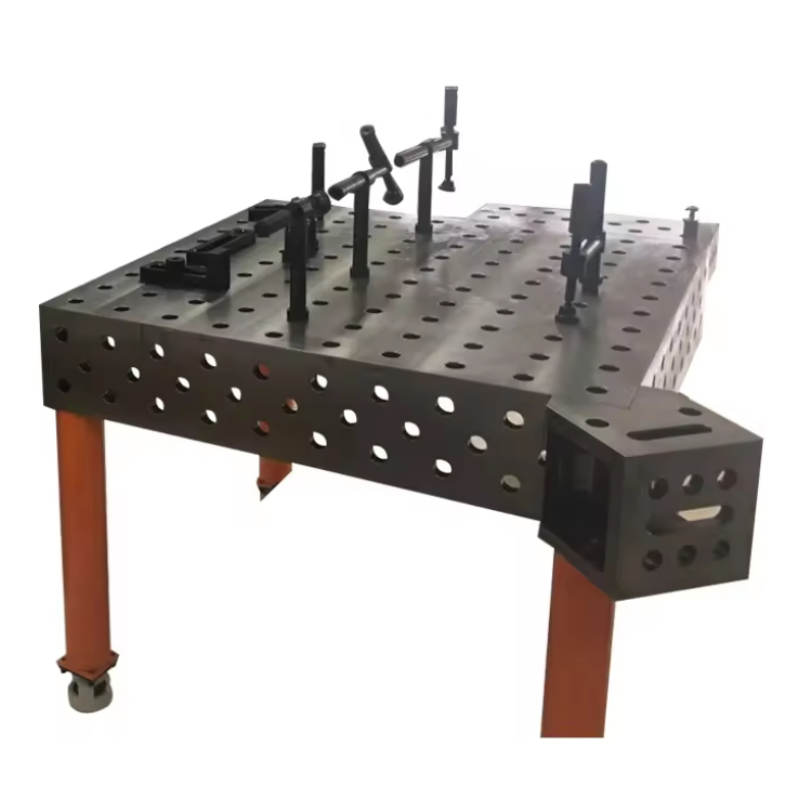
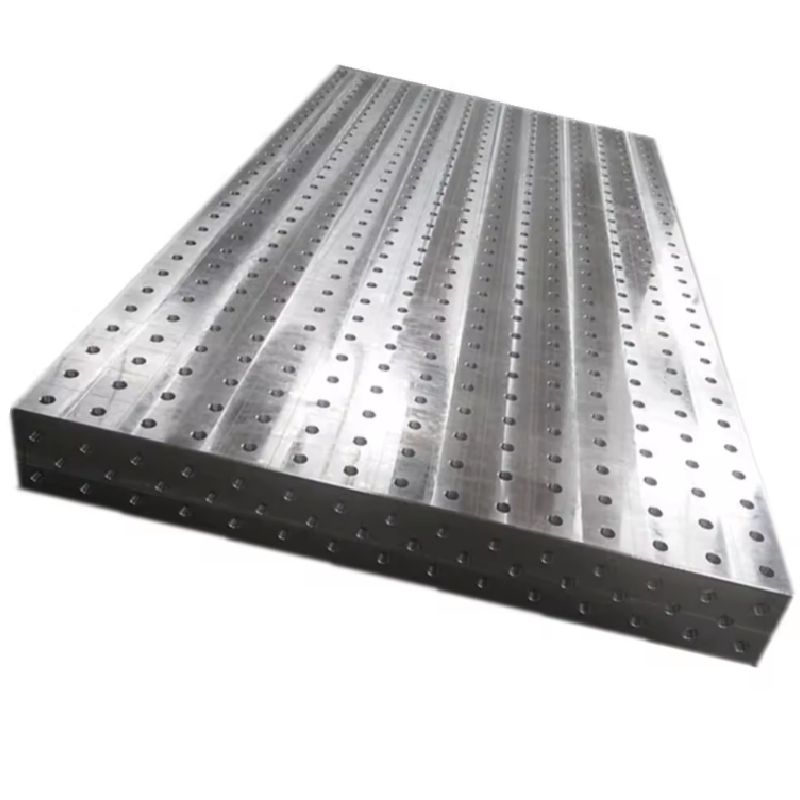
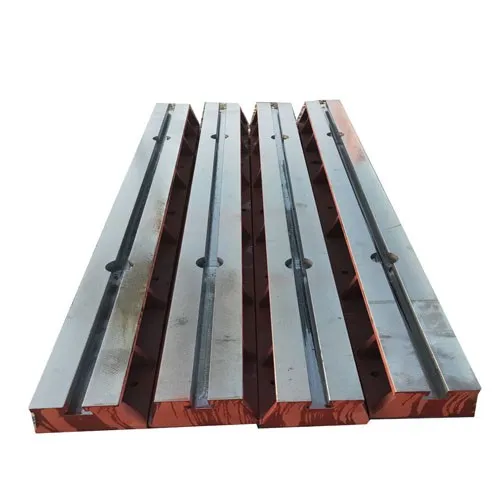
The Importance of Surface Plates Precision Tools in Manufacturing and Engineering In the realm of manufacturing and engineering, precision is paramount. One of the key tools that ensure accuracy and reliability in measurement is the surface plate. A surface plate is a flat, stable, and rigid platform used in various applications, including inspection, tooling, and assembly. The role of a surface plate in the manufacturing environment cannot be overstated, as it serves as the foundation upon which measurements are made and components are aligned. Types of Surface Plates Surface plates come in various materials, each suited for specific applications. The most common materials include granite, cast iron, and stainless steel. Granite surface plates are widely favored due to their durability, resistance to wear, and excellent stability. They are less susceptible to thermal expansion, making them ideal for precision measurements. Cast iron plates, known for their strength and rigidity, are often used in environments where heavy machinery is involved. Meanwhile, stainless steel plates are resistant to corrosion, making them suitable for applications in chemically aggressive environments. Applications of Surface Plates Surface plates are crucial in several applications. In inspection and quality control, they provide a flat reference surface against which measurements can be taken. For instance, when measuring the dimensions of a machined part, placing the component on a surface plate allows for accurate readings using calipers, micrometers, or height gauges. This is essential for maintaining the required tolerances in production, ensuring that parts fit together correctly in assemblies. Moreover, surface plates are instrumental in gauge setting and fixture creation. They allow engineers and technicians to set up accurate jigs and fixtures for repetitive machining processes. By providing a flat reference, surface plates help ensure that parts are consistently oriented, reducing errors and increasing efficiency in manufacturing operations. surface plate used for Maintaining Surface Plates To fully utilize the advantages of surface plates, proper maintenance is crucial. Regular cleaning is essential to prevent the accumulation of dirt, oils, and debris, which can affect measurement accuracy. It is also important to ensure that the plates are kept free from damage such as chips or scratches, as these imperfections can compromise their flatness. Proper storage and handling are vital; surface plates should be stored in a clean environment, ideally in a dedicated space free from vibration and heavy foot traffic. Advancements in Surface Plates With advancements in technology, surface plates have seen improvements in design and functionality. Digital measuring systems and coordinate measuring machines (CMMs) are increasingly being integrated with traditional surface plates, allowing for more sophisticated inspection techniques. These modern systems enhance the capabilities of surface plates, making them not only a reference point but also an integral part of automated measurement processes. Conclusion In summary, surface plates are essential tools that support precision and accuracy in manufacturing and engineering. Their role in inspection, tooling, and assembly processes cannot be underestimated. As materials and technologies evolve, the effectiveness and applications of surface plates will continue to expand. Manufacturers and engineers who understand the importance of these fundamental tools are better equipped to produce high-quality products that meet strict standards of excellence. Whether in a small workshop or a large production facility, the significance of the surface plate as a reliable platform for precision work remains steadfast in the pursuit of quality and accuracy.
-

High quality industrial productsagement

High quality industrial products
View Details -

Meet the diverse needs of customers

Meet the diverse needs of customers
View Details -

Strict quality control

Strict quality control
View Details -

Top raw materials

Top raw materials
View Details -

Trusted supplier

Trusted supplier
View Details
Our application

news and information
water hose valve
The Essential Guide to Water Hose Valves Functionality, Types, and Benefits Water hose valves play a
y strainer pn16
Understanding Y-Strainers and Their Importance in PN16 Applications In industrial applications, flui
vibration mounting pad
The Importance of Vibration Mounting Pads in Industry In today's fast-paced industrial environment,
 English